
Being Dharma: A Month-long Residential Retreat for Dedicated and Experienced Practitioners
“How does the dhamma teach the proper way of life? It shows us how to live. It has many ways of showing it – roots and trees – just in front of you. It is a teaching but not in words. So still the mind, the heart, and learn to watch. You’ll find the whole dhamma revealing itself here and now. At what other time and place are you going to look?”
AJAHN CHAH
Dates & Location
Tuesday, April 6 – Thursday May 6, 2027
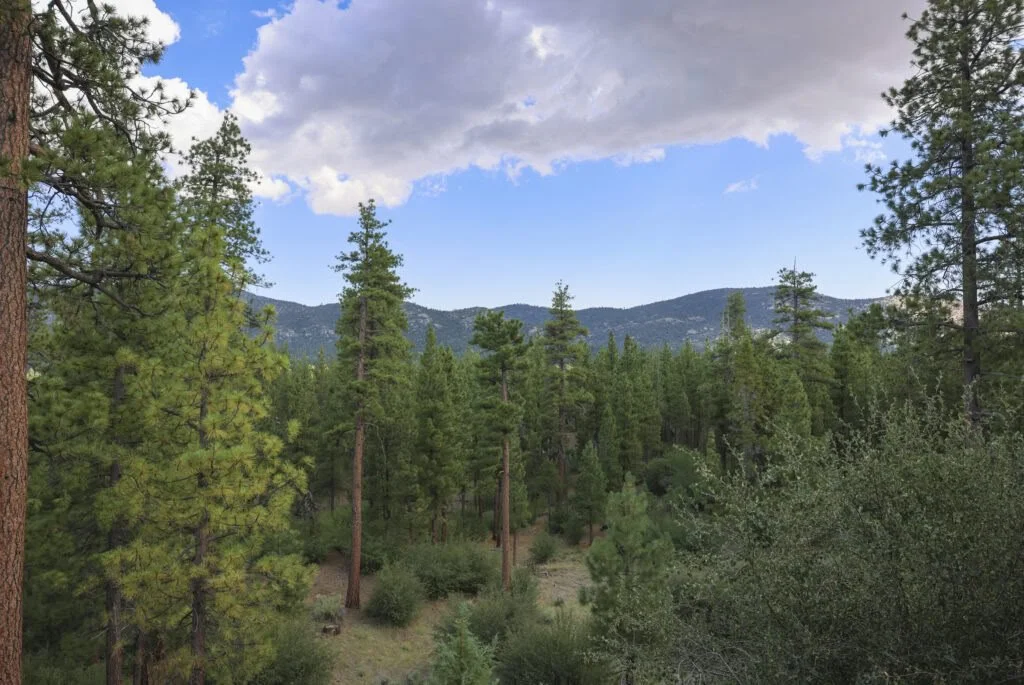
Big Bear Retreat Center, 1000 Sugarpine Rd, Big Bear City, CA 92314 This in-person month-long retreat will be hosted by Big Bear Retreat Center. Applications will be processed by Sacred Mountain Sangha.
Application Process
Please thoroughly read and review the information below to see if you are a good fit before completing the application process for this retreat.
Fill out the application form by clicking the ‘apply for this retreat’ button below.
You will receive a response from Sacred Mountain Sangha to determine your eligibility for this month-long.
If approved, individuals will receive an email with instructions for next steps and registration links.
Criteria for Attending
Candidates will only be considered who commit to attending the whole retreat. This monastic-style retreat is suitable for practitioners who have self-motivation and experience of silent Buddhist in-depth meditation retreats. As a guideline, applicants should have participated in at least three 10-day retreats with Kittisaro and Thanissara or Insight teachers, and have a familiarity with core Theravada/Insight practice and teachings. Essential is an openness and sincere interest in the Kuan Yin Dharmas, devotional, mantra, and ceremonial practice.If you haven’t practiced with Kittisaro & Thanissara or are unfamiliar with their approach, we recommend that you join in some of their teachings prior to the retreat to make sure you have an affinity with their transmission. You can do that via the Ekayana: Being Dharma Training online course where you’ll be able to access the Mahayana/Kuan Yin teachings and practices offered at SMS in Module Three.
Observance of the Five Precepts is Essential:
To refrain from harming and the taking of life: to maintain care and respect for all sentient beings.
To refrain from taking what is not offered: to practice generosity.
To refrain from misuse of the senses & sexuality: to practice renunciation.
To refrain from harmful, deceptive and harsh speech: to practice speech that is truthful and clarifies.
To refrain from intoxicating drugs & alcohol: to respect the instrument of awakening, consciousness.

Intention of the Retreat
The overall intention of this retreat, which synthesizes essential teachings and practices from Theravada and Mahayana traditions, is to offer a graduated sequence of complementary and mutually supportive Dharma approaches that guide the practitioner into liberating insight and realignment within the inherent intuitive wisdom of our natural state of being.
As well as deepening skills with more familiar samatha/vipassana (calm and insight) practices, the retreatant will have the opportunity to cultivate what might be new and less familiar methods—such as mantra practice, single-mindedly holding a sacred name, bowing, ceremony, and Chan (Zen), which focuses on Kuan Yin’s subtle method of “returning the hearing,” or returning mind to source. Although these practices—from separate schools—might sound different and disparate, they become coherent and unified when we understand that all methods are skillful means emerging from the awakened mind/heart, which ultimately transcends all methodology and sectarianism.
Retreat Content
The foundation will focus on teachings and practices from the Theravada Pali Canon and Mahayana Sutras, drawing inspiration from Kittisaro and Thanissara’s primary source of transmission which is the Thai Forest Tradition and the Chinese Mahayana Tradition. Three distinct sections of the retreat interweave these two traditions, with cultural adaptation, so they co-inform each other, presenting an integrated whole.
Theravada Focus:
Sila and Paramitas: To guide karmic activity and the cultivation of a field of blessings in everyday life.
Samatha / Samadhi: The skill of calming and focusing the mind/ heart/ bodily energies, more contemporarily recognized as the “healing” aspect of meditation.
5 Jhana factors and 5 Indriyas: Support for Samadhi, mind/heart skills and qualities.
Sati: The core practice of cultivating present-moment embodied awareness/mindfulness.
Pañña/Vipassana: The investigative practices of “wise reflection,” including the Four Foundations, Dependent Origination, Four Truths, the Three Characteristics, all leading to embodied wisdom and the realization of the Deathless Dhamma. The profound teachings around Papañca and Nippapañca (the proliferation of thought and its ending) will be explored, revealing how the misunderstanding of the true nature of concepts shapes the sense of self and generates the illusion of separation.
Brahma Viharas: The 4 immeasurable heart qualities of Kindness, Compassion, Joy, and Equanimity.
Mahayana Focus:
The Bodhisattva Way through the cultivation of the Kuan Yin Dharmas and the power of vows. The Bodhisattva heart balances the “letting go” practices of Theravada with “picking up” a skillful and compassionate relationship with the world. The archetype of compassionate wisdom in Mahayana is Kuan Yin Bodhisattva, the “One who regards the sounds of the world at ease.”
Kuan Yin (Avalokitesvara in Sanskrit), appears in four main Mahayana Sutras:
The Heart Sutra
The Surangama Sutra
The Dharani Sutra
The Lotus Sutra
The two dimensions of Kuan Yin practice cultivated are:
1. Cultivating a “field of blessings” by focusing the mind with mantra and ceremony to abide with the profound interconnectedness of Gaian cosmology, all held within the primordial matrix of awareness.
2. The investigation of “emptiness,” through the Chan practice of “turning the mind back” into its original nature. This deep listening is also resonant with the non-dual approach of Zen, Vedanta, and Self-inquiry.
Relationship to Retreat Material
The practice of chanting, mantras, and ceremony is an area of Buddhist cultivation that can be new or even challenging for Westerners, and therefore sometimes dismissed or overlooked. As we tend to interpret these practices through our cultural conditioning, they can be misunderstood in terms of their original intent. While each retreatant is encouraged to find a meaningful relationship with the teachings and practices in a way that honors their own process, responses, and needs, we request that these practices be wholeheartedly engaged as part of the overall commitment to enter the month retreat. One of many benefits of group participation in these practices is that they generate a powerful energetic container that offers safety, cohesion, and an opening into a transmission of lineage through body, heart, and mind.
Purpose of Chants and Mantras:
Originally, from the time of the Buddha, the teachings were passed down orally. To aid memorization they were chanted in a repetitive style and for several hundred years were passed on in that format before they were written down. Buddhist traditions still use chanting and recitation for this purpose, to internalize and integrate the teachings through learning them by heart.
The sounding of teachings with the voice is a way of purifying the body/mind and attuning it with the energetic lineage of Awakening. In some instances, the Buddha recommended specific chants for protection and repetition. During the retreat, in the mornings and evenings, there will be daily recitation with these principles in mind.
The chanting of mantras energetically generates wholesome effects within the subtle body. In the case of the Great Compassion Mantra of Kuan Yin, which we will do daily, it activates the energetic body of Kuan Yin within us and her compassionate responses to suffering. Doing these practices every day helps to hold a protective retreat space and a healing dimension that supports meditation. Chanting mantras also allows for the mind, susceptible to suffering and inversion, to connect with a larger field of spaciousness and communal connectedness.
Contemplative Silence:
Long retreats sustain themselves through the use of contemplative silence. If this commitment erodes, the container that facilitates the depth of the practice begins to fall apart. During extended retreats it is challenging to hold silence, however, it is important that you commit to respecting this. The opportunity to deepen into silence allows the unveiling of subtler layers of the mind, its habits, and potentiality. Sometimes silence is supportive, sometimes challenging, however with the agreement to collectively enter this practice, it enables a deeper connection with each other, beyond the usual personality dynamics. If you run into difficulty, the retreat teachers are available to meet with you.
There will be times for Q&A and regular check-ins with the teachers. To support the atmosphere of silence we ask that you focus your energies in the retreat and only have contact outside in case of emergency. We recommend you let family and friends know you will be on a month-long retreat, and suggest that if there is an emergency or need to contact you, that they do so through the Big Bear office, which can relay a message to you.
About the Teachers
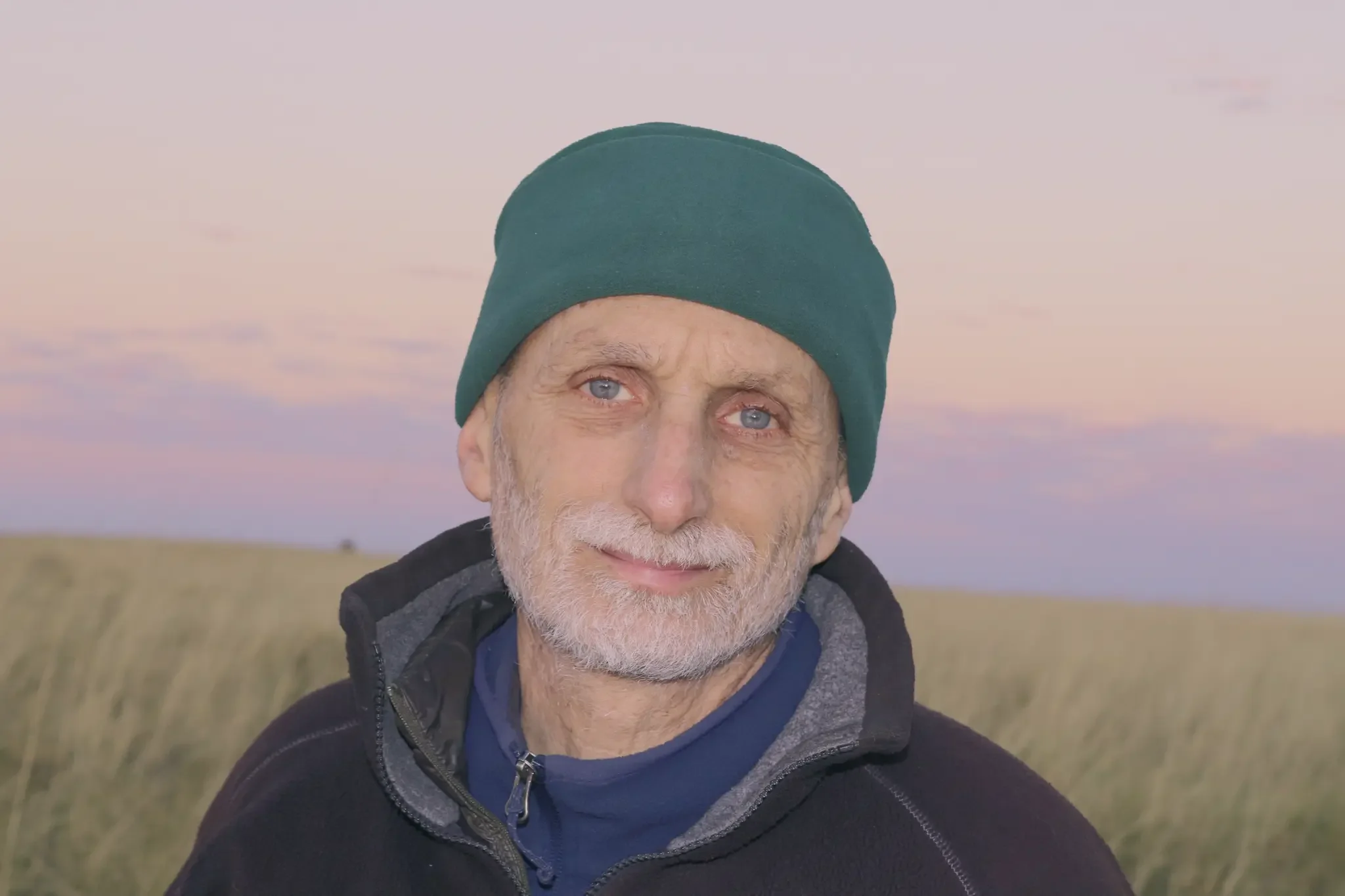
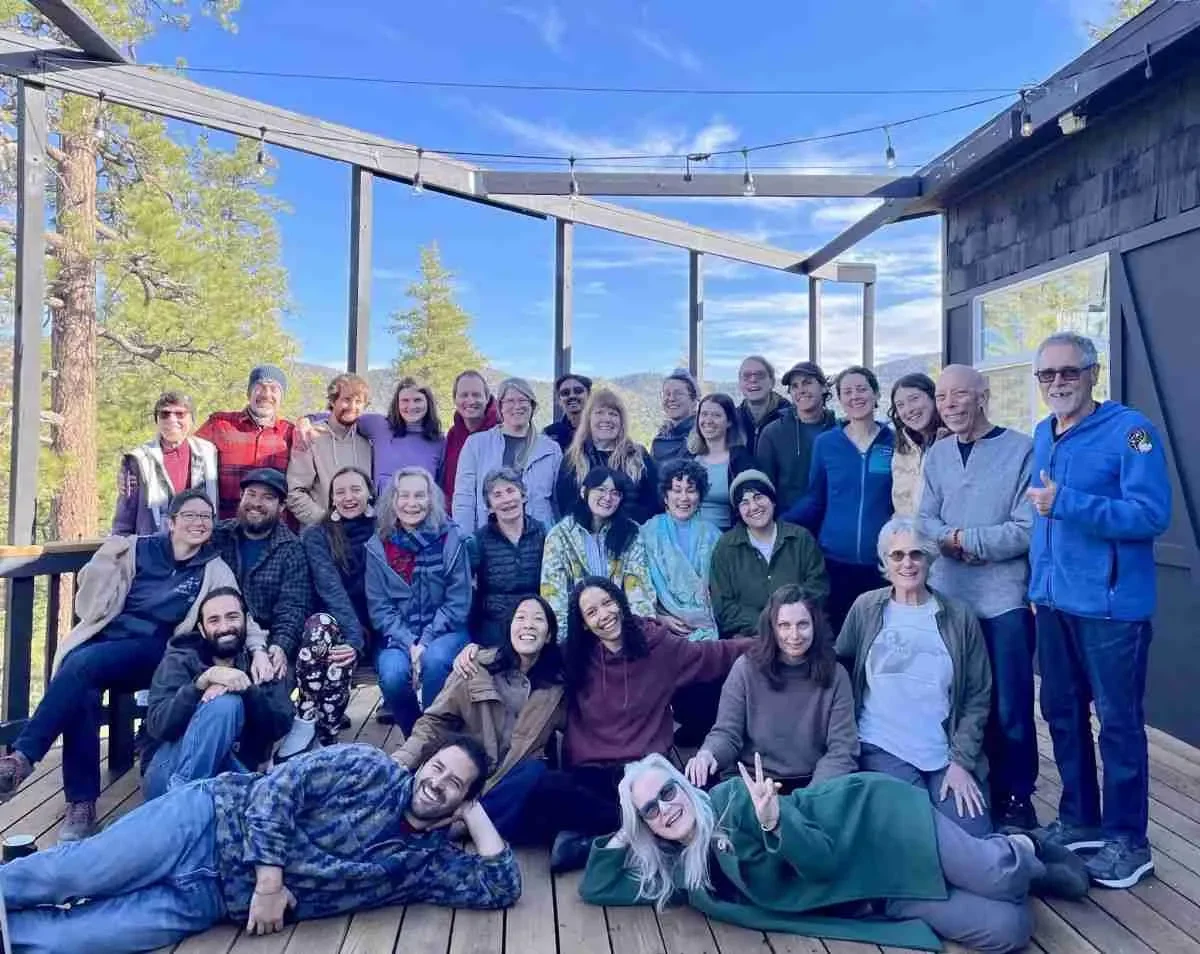
Kittisaro (he/him) is originally from Chattanooga, Tennessee. He graduated from Princeton as a Rhodes Scholar and went on to Oxford before going to Thailand to ordain with Ajahn Chah in 1976. He was a monk for 15 years. During that time, he helped found Chithurst Monastery and Devon Vihara in the UK, trained monks, was a prison Chaplain, and taught extensively. Kittisaro disrobed in 1991 and has since taught internationally, primarily in the UK, U.S. and South Africa. He has studied and practiced Chan and Pure Land for 40 years, informed by the Chinese school of Master Shu Yun and Master Hua, and has completed two year-long silent self-retreats. Kittisaro has an MA in Buddhist Classics from Dharma Realm Buddhist University, California, and co-authored, with Thanissara, Listening to the Heart, A Contemplative Journey to Engaged Buddhism.
Kittisaro
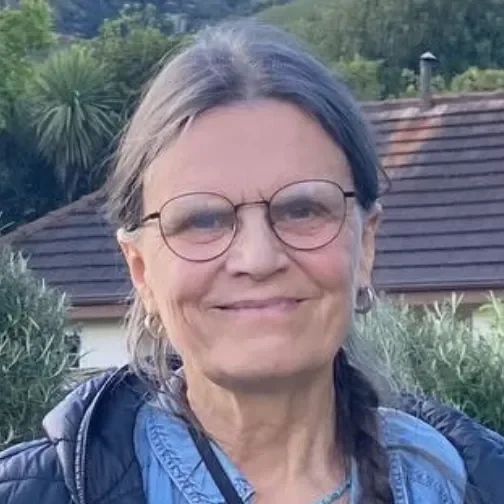
Thanissara is Anglo-Irish, from London. She is a Dharma teacher, writer, poet, eco-spiritual activist, and former Buddhist monastic trained in the Thai Forest tradition. Teaching Dharma for nearly four decades, her work brings together contemplative practice, feminist inquiry, sacred activism, ecological awareness, and systems change. Shaped by decades of engagement in rural post-Apartheid South Africa and an ongoing exploration of collective liberation amid our intersecting social and ecological crises, she works at the interface of inner awakening and cultural transformation. Her path also includes more than a decade of learning and ceremonial work within Indigenous lineages in South America, including sustained traditional dieta practice and exploration of the relationship among plant teachers, shifts in consciousness, healing, and the more-than-human world.
Thanissara
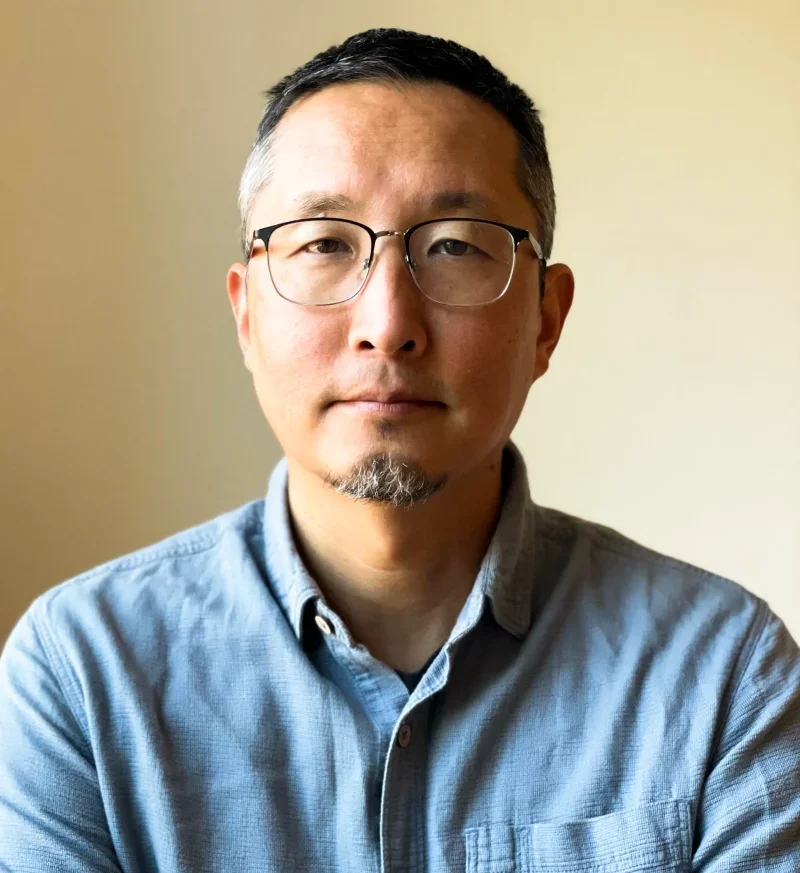
Yong is a core meditation teacher at the Durango Dharma Center and for Sacred Mountain Sangha, and is a visiting teacher for other community centers across North America. He teaches retreats at the Insight Meditation Society, Spirit Rock Meditation Center, Big Bear Retreat Center, Vallecitos Mountain Retreat Center, and others.
Yong is also a retired acupuncturist, is passionate about Nature and Dharma - practicing with and in nature - and has particular interests in devotional expression, supporting caregivers, and offering teachings to communities of color in the Dharma.
Teaching schedule available at: www.yongoh.com
Yong Oh
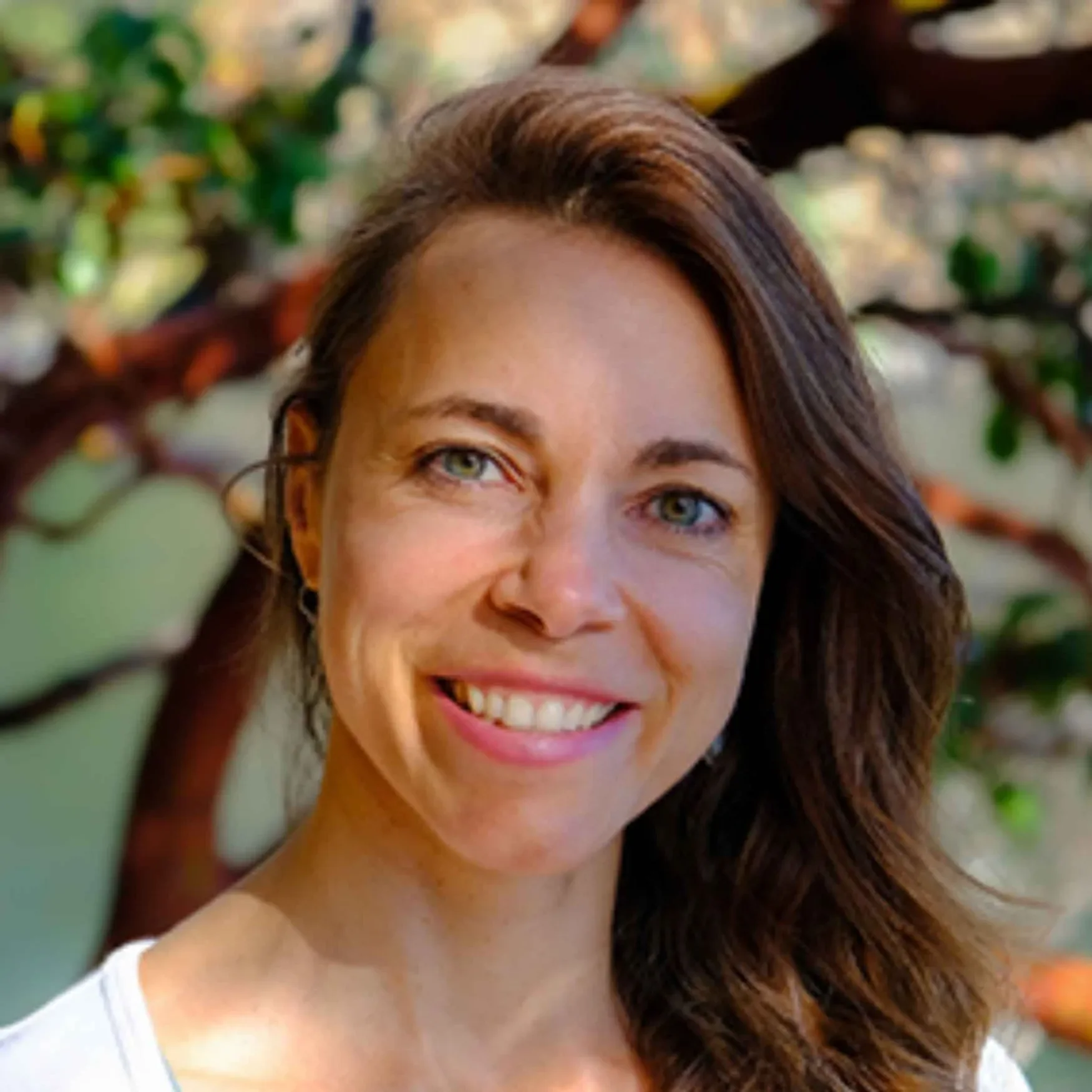
Djuna Devereaux (she/her) finds inspiration in the confluence of devotional practice, somatic healing, and movement. She encountered the Dharma twenty years ago through her ongoing study and teaching of Prajna Yoga, which integrates Buddhist practice with yoga and somatic movement. She now offers Prajna Yoga workshops and teacher trainings internationally, leads the Spirit Rock Dharma, Yoga, and Mindfulness Training, and is in private practice as a certified yoga therapist and Somatic Experiencing Practitioner. Djuna has been a dedicated student of Thanissara and Kittisaro since meeting them in 2015. She feels a deep resonance with their unique synthesis of Theravada and Mahayana, the Kuan Yin Dharmas, and sacred activism. Djuna has completed their Dharmapala Training and offers classes and retreats as a Sacred Mountain Sangha Core Teacher.
Djuna Devereaux
General Flow of the Retreat
Arrive and settle: Silence usually begins on the opening night or after all have arrived and settled in.
First section: Theravada section: Samatha/Vipassana.
Second section: Kuan Yin Dharmas section, holding mantra, cultivating Brahma Viharas and blessings.
Integration: A few days of integration.
The retreat finishes after breakfast on the final day.
Cost & Teacher Dana
Costs are presented on a tiered system and individuals are asked to contribute at the level which feels aligned with their economic situation and is also comfortable and generous to them, understanding that this rate contributes to the cost of hosting the retreat and supporting other retreatants who may require financial assistance.
There are limited scholarships available for this retreat. If you need financial support there will be opportunit indicate within the application form. We’re deeply grateful for the generosity that makes this scholarship fund possible. If you feel moved to offer additional support beyond the rate you’ve chosen, we’d love to hear about it. Gifts like yours help ensure these teachings remain accessible to as many people as possible.
Financial Contribution
Generosity: $9,750
Sustainer: $7,050
Semi-Supported: $3,450
Supported: $1,800
Teacher Dana:
The teachers on this retreat offer their teachings freely and openly to all who attend. The registration costs cover each individual’s lodging, food, and associated expenses only. We trust and encourage the practice of dana (free-will offering), which goes directly to the teachers and supports their livelihoods and ability to offer the teachings for the benefit of all beings.
Deposits and Payment Plans:
Please note the following:
Should your application be accepted, a $500 deposit is due upon registration (to hold and guarantee your spot). Before the payment of this deposit, you will be fully notified of the cancellation policy.
Full final payments are due by December 31, 2026.
Payment plans are available on a case by case basis.
Specific retreat requests will be handled by BBRC and may be submitted upon registration
Big Bear Cancellation Policy:
More than 12 weeks before the retreat: Refund less a $250 administrative fee.
8–12 weeks before the retreat: Refund less the $500 deposit.
4–8 weeks before the retreat: 50% refund of all payments made. If place is filled from waitlist, refund less the $500 deposit.
Less than 4 weeks before the retreat: No refunds. If place is filled from the waitlist, refund less the $500 deposit.

About BBRC Amenities
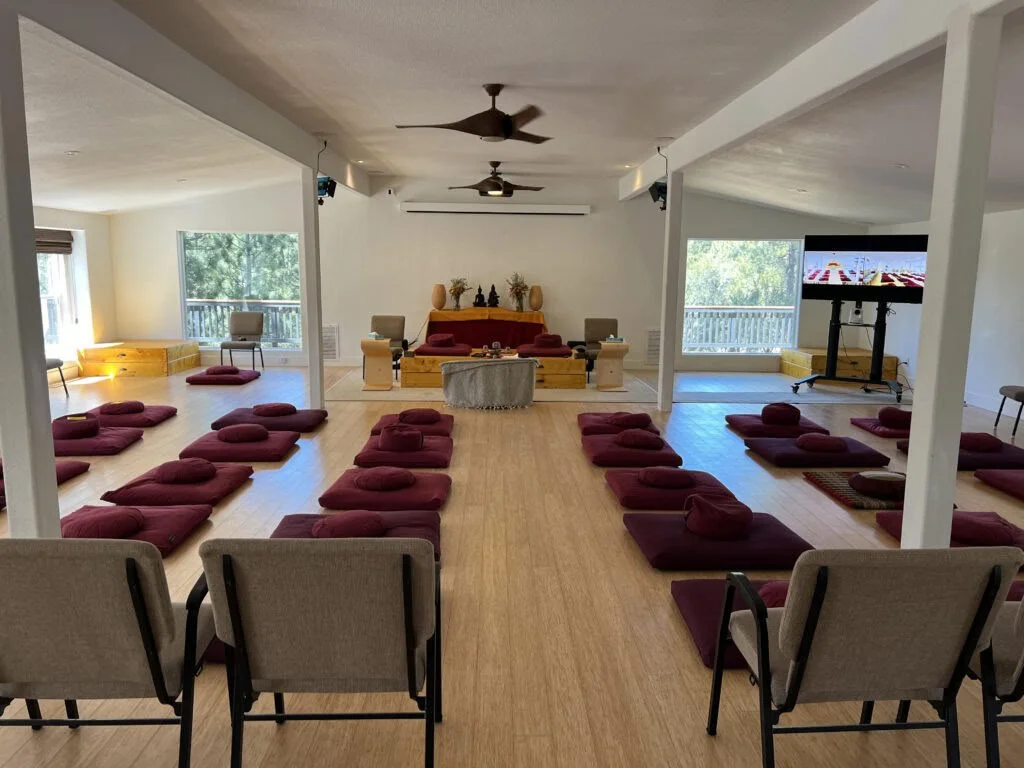
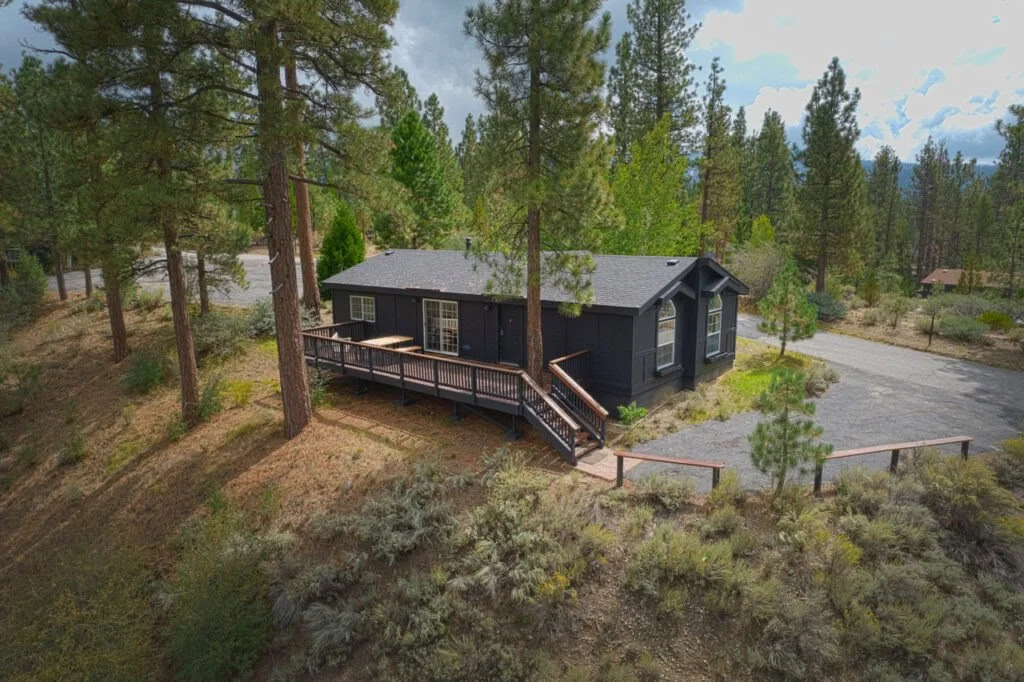
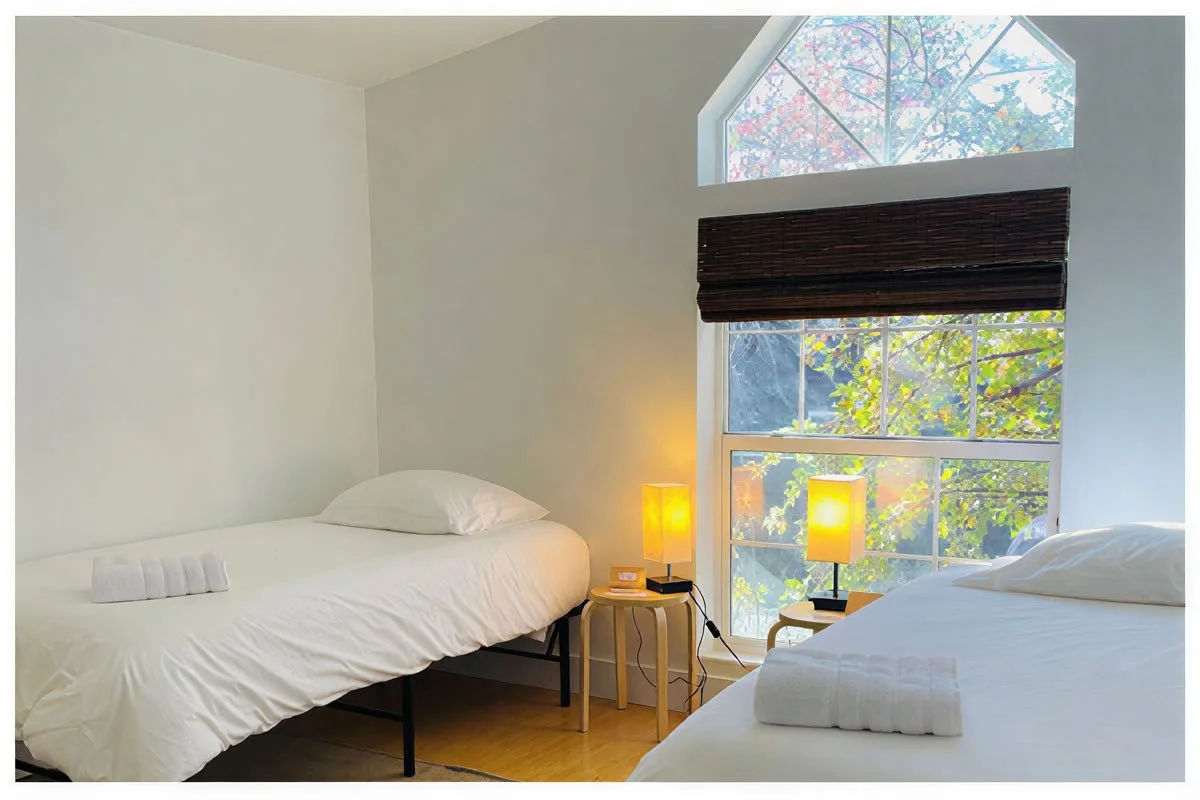
Big Bear Retreat Center (BBRC) is a residential retreat center located in Big Bear Lake in the Southern California mountains about 2 hours from Los Angeles. The residential cabins are set up as shared cabins with individual rooms. All rooms are private rooms for this monthlong retreat. Shared room options are available upon application approval only by the teachers. Cabins are generally three bedrooms with shared living rooms and common spaces.
For planning travel, Ontario Airport (1.5 hours from Big Bear) or LAX (3.5 hours from Big Bear) are the best options for flights. More information will be provided once approved.